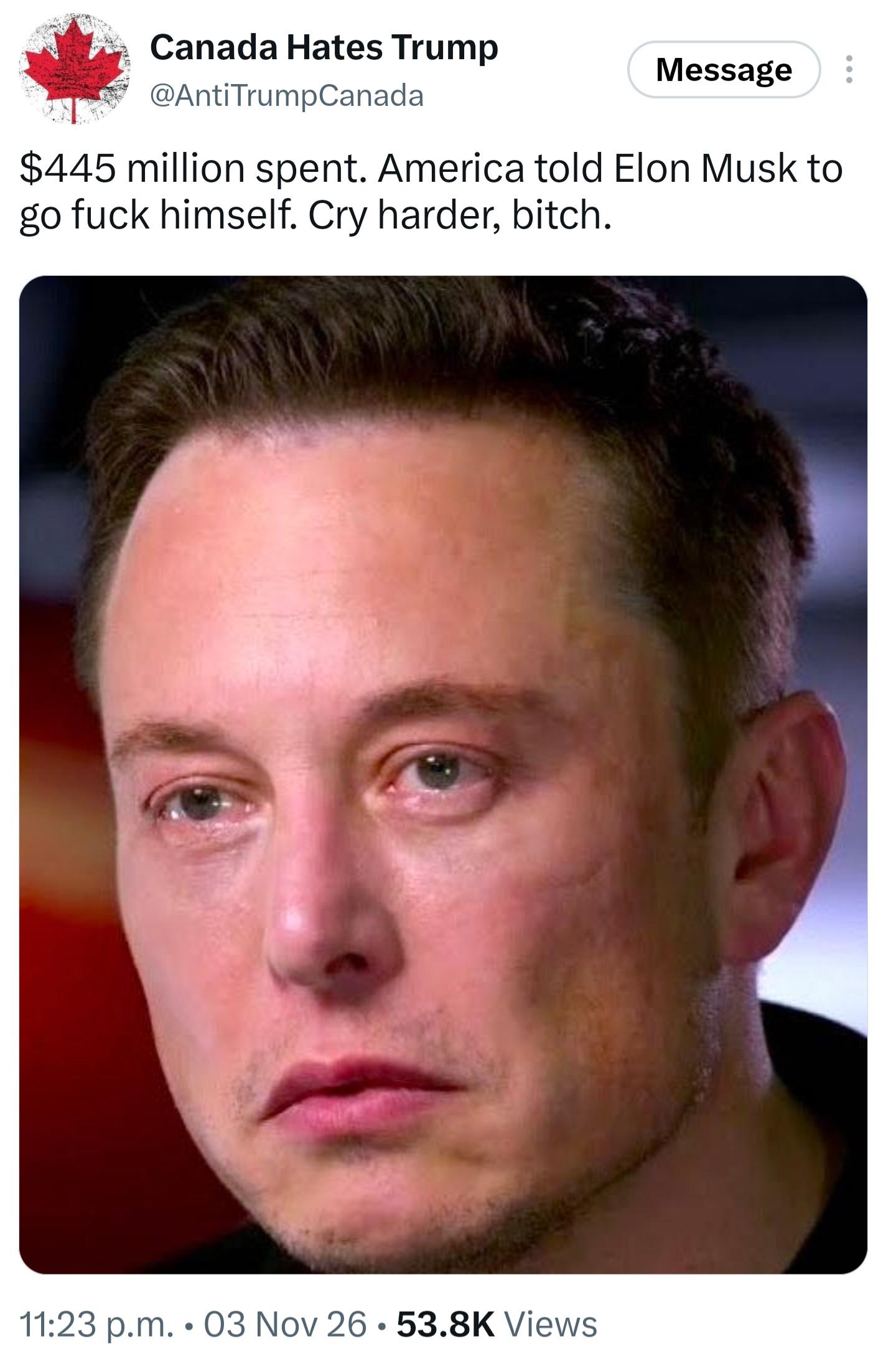
In high-stakes political campaigns, the influence of political endorsements and mega-donor funding often becomes a central point of national debate. When massive financial investments fail to yield the desired electoral outcome, public scrutiny quickly shifts from the candidates themselves to the prominent figures who backed them. The aftermath of major electoral contests frequently highlights deep ideological divides and sparks renewed conversations about campaign finance reform and political accountability.
The Dynamics of Wealth and Political Influence
Recent high-profile election cycles have seen unprecedented sums injected into campaigns by ultra-wealthy donors. While substantial capital can fund extensive advertising, grassroots mobilization, and media coverage, electoral history repeatedly demonstrates that massive spending does not guarantee victory. Critics argue that the outsized role of political action committees and mega-donors distorts the democratic process, while supporters view political spending as a constitutionally protected form of speech.
When a high-stakes campaign outcome runs counter to significant financial backing, observers often weigh the limits of financial leverage against voter sentiment. Public reactions highlight this tension, with observers offering contrasting perspectives on the influence of money in elections.
"All of the good he could have done with that money. TAX THE RICH!!!"
Conversely, others point out that relative to extreme net worth, massive political expenditures represent only a fraction of total assets, diminishing the personal risk for billionaire donors.
"What he spent is basically his equivalent of going out to Red Lobster for dinner."
Public Scrutiny and Demands for Accountability
Beyond the financial metrics, major campaign losses frequently prompt intense public debate regarding the role of prominent public figures in policy matters and government initiatives. When individuals leverage their celebrity or corporate standing to shape political outcomes, their broader endeavors—including government contracts, regulatory oversight, and administrative roles—face heightened public skepticism.
Demands for congressional oversight and regulatory reviews often emerge in the wake of public political controversies, reflecting broader anxieties about governance and transparency.
"Subpoena him. Got a lot of DOGE stuff to explain to Americans"
"That’s $0.50 for every $1000 that he has and it was the most expensive election of all time. He’s not done. We only have a short period of time to fix this bullshit so his money is no longer political power"
Electoral Realities and the Limits of Endorsements
Ultimately, campaign results underline the complex realities of voter behavior. While endorsements and financial resources can raise candidate profiles and drive campaign messaging, election outcomes are decided in the voting booth. The immediate aftermath of an election often provides a temporary moment of reflection on the state of political discourse, the limits of individual influence, and the ongoing debate over the role of money in modern elections.